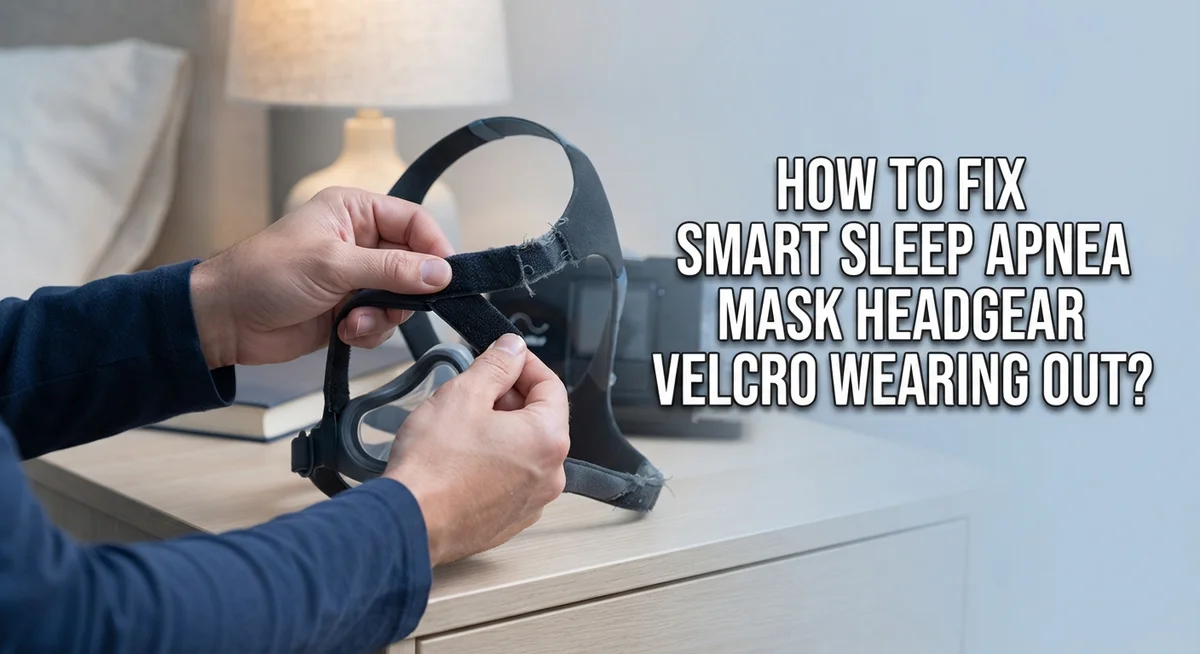
How To Fix Smart Sleep Apnea Mask Headgear Velcro Wearing Out?
Your CPAP headgear velcro feels weak. It no longer grips like it used to. This small problem can cause big issues with your sleep therapy.
Worn out velcro leads to air leaks. It also causes an unstable mask seal. Many users respond by pulling the straps too tight. This creates discomfort and pressure sores on your face.
The good news is that this issue has simple fixes. You do not need to buy a whole new system right away.
In a Nutshell
- Check the fibers first. Worn velcro often just has clogged hooks. Use a disposable razor to gently clear away lint and fuzz.
- Stop pulling straps apart harshly. Ripping velcro every time you remove your mask damages the hooks. This rough handling speeds up wear.
- Sew it down for a lasting fix. If the velcro still works but slips, sew it directly onto the strap. This creates a permanent hold.
- Try a safety pin for a quick fix. This works great as a temporary solution when you need your mask to work tonight.
- Never over tighten your straps. Pulling straps too tight will not fix a bad seal. It only causes headaches and red marks on your skin.
- Know when to replace parts. If you adjust everything and still feel air leaks, it is time to get new headgear.
Why CPAP Mask Velcro Wears Out Over Time
Velcro on your CPAP mask headgear wears out because of how you use it every single night. You attach and detach the straps repeatedly, and each time you do this, tiny hook fibers get pulled or crushed. The velcro loses its grip gradually until one day your mask feels loose.
The hook side of velcro (the rough part) collects lint, dust, and dead skin cells over time. These particles fill the tiny loops that grab onto the soft loop side. When this happens, the velcro cannot hold as tight even if it looks fine. Your mask slips down your face during sleep.
Aggressive removal makes this problem worse faster. When you rip your mask off quickly, you pull up more hook fibers than normal. This damages the velcro surface permanently. Over time, repeated rough removal creates a worn, flattened texture that cannot grip anymore.
Heat and moisture also speed up velcro breakdown. Your CPAP mask sits on your warm face all night. The humidity from your breath adds extra stress to the adhesive and fibers. This combination weakens the velcro faster than it would in a dry environment.
The adhesive that holds velcro strips to your headgear can also fail. Constant stretching and movement loosen this bond. You might notice velcro peeling away from the strap itself, not just losing its grip strength.
Understanding why velcro fails helps you prevent it. Gentle removal, keeping velcro clean, and avoiding over tightening all extend its life. When velcro finally stops working, you have several repair options available to restore your mask fit.
Signs Your Headgear Velcro Needs Attention
Your CPAP headgear velcro sends clear signals when it needs attention. Recognizing these signs early helps you fix problems before they affect your sleep quality.
Velcro feels loose or sticky when you fasten your straps. The hooks no longer grip the soft loop side firmly. You may notice the mask shifts position during the night even after you tighten it. This loose feeling happens gradually as fibers break down.
Air leaks increase around the mask edges. You hear whistling sounds or feel air escaping from the sides. Your pressure readings may show inconsistent numbers night to night. The seal fails because straps cannot hold the mask in the right position anymore.
You need to pull straps much tighter than before to achieve any grip. This over tightening creates pressure points on your face and causes discomfort. Marks or red spots appear on your cheeks, forehead, or behind your ears after wearing the mask.
The velcro surface looks matted or fuzzy. Hook fibers clump together instead of standing up straight. The loop side appears shiny and worn smooth. Both surfaces lose their ability to connect properly.
Straps slip down during sleep or feel loose when you wake up. You constantly readjust your mask throughout the night. The headgear moves around instead of staying stable.
You experience frequent mask leaks despite having the right mask size. Adjusting straps makes no difference to your seal quality. Your machine shows error messages about mask fit problems.
These signs tell you that velcro repair or replacement should happen soon. Addressing them quickly prevents sleep disruption and maintains your therapy effectiveness.
Preventing Premature Velcro Wear
Preventing premature velcro wear starts with how you remove your mask each morning. Avoid ripping or pulling straps apart aggressively. This action lifts hook fibers and damages the surface permanently. Instead, gently peel velcro sections away using slow, controlled movements.
Keep velcro clean to extend its lifespan. Lint, dust, and skin cells accumulate on the hook side and reduce grip strength. Use a soft brush or lint roller on velcro surfaces weekly. A disposable razor can also gently remove trapped fibers without harming the velcro structure.
Adjust your straps properly every single night. Uneven tension causes some velcro areas to wear faster than others. Secure straps evenly across both sides of your head. This distributes pressure and prevents one section from taking all the stress.
Avoid over tightening your mask headgear. Many people assume tighter straps create better seals, but this actually accelerates velcro breakdown. A comfortable fit that doesn’t dig into your skin is ideal. Your mask should feel snug, not painful.
Store your mask in a dry location when not in use. Heat and moisture speed up velcro deterioration. Keep your headgear away from direct sunlight and humid environments.
Check velcro condition monthly. Early detection prevents sudden seal failures during sleep. If you notice slight looseness, address it before it becomes severe.
Replace velcro strips before they completely fail. Waiting until velcro no longer works creates emergency situations. Switching to sewn velcro or alternative attachment methods prevents this problem from returning. Small prevention steps today save you frustration and poor sleep quality tomorrow.
Step-by-Step: Repairing Worn Velcro at Home
Start by gathering your materials. You’ll need replacement velcro strips, a needle and thread, scissors, and a disposable razor. These items help you fix your headgear quickly without leaving your home.
Remove the old velcro carefully. Use a disposable razor to gently scrape away worn velcro from your headgear straps. Work slowly and avoid digging into the fabric underneath. This step prevents damage to the strap material itself.
Clean the strap surface thoroughly. Wipe away any adhesive residue, lint, or dust with a damp cloth. Let the area dry completely before moving forward. A clean surface helps new velcro stick better and last longer.
Attach new velcro strips using one of two methods. For a permanent fix, sew the velcro directly onto your straps using a needle and thread. Make several passes to ensure it stays secure through nightly use. For a quicker option, use adhesive backed velcro strips pressed firmly onto the strap.
Test your repair before sleeping. Fasten your mask and check if the velcro holds the strap in place. The connection should feel snug but not tight. Adjust the strap position if needed.
Let adhesive cure if you used sticky backed velcro. Wait at least two hours before wearing your mask. This gives the adhesive time to bond properly with your headgear.
Monitor your repair over the next week. Check if velcro maintains its grip each night. If the repair fails, sewing velcro provides a more durable solution than adhesive alone.
Achieving a Proper Mask Fit After Repair
Getting your mask to fit properly after velcro repair requires patience and attention to detail. The goal is comfort plus a secure seal that prevents air leaks during sleep.
Start by placing your mask on your face without fastening any straps. Hold it gently in position with one hand. This shows you the natural placement your mask prefers. Now you can adjust your headgear straps accordingly.
Fasten each strap evenly on both sides. Tighten the top strap first, then move to the side straps, and finish with the bottom strap. This balanced approach prevents the mask from tilting or shifting during the night. Your mask should feel snug but not painfully tight.
A common mistake is over tightening straps to compensate for worn velcro. This creates facial marks, discomfort, and actually makes seal problems worse. Worn velcro needs replacement, not extra force.
Test your seal by gently pressing around the mask edges with your fingers. You should feel steady contact but no air whistling out. If you detect leaks, loosen the straps slightly and reposition the mask rather than pulling tighter.
Check your fit before bed each night. Velcro condition changes gradually, so your adjustment needs may shift week to week. What worked last month might need tweaking now.
If you still cannot achieve a good seal after adjusting your straps properly, your velcro repair may need attention. The adhesive might not be holding securely, or the velcro itself may need replacement. Monitor your mask fit for several nights after repair. Consistent leaks signal that further maintenance is necessary.
Common Mistakes When Dealing With Worn Velcro
Many people make simple mistakes when their velcro starts to fail. Understanding these errors helps you avoid making your mask situation worse.
The biggest mistake is over tightening your mask straps when velcro wears out. Your instinct tells you to pull harder for a better seal. This actually creates more problems. Excessive tightening causes facial discomfort, red marks on your skin, and pressure sores. Your seal still won’t improve because the real issue is worn velcro, not loose straps.
Another common error is yanking straps off aggressively each morning. This pulls up the hook fibers and damages the loop surface underneath. The velcro deteriorates faster when you remove your mask roughly. Instead, gently peel straps away from your face using slow, careful movements.
People also ignore early warning signs until velcro completely fails. You might notice straps slipping during sleep or feeling loose when you wake up. Waiting too long means you’ll experience multiple nights of poor sleep and mask leaks. Addressing velcro issues early prevents bigger problems.
Some users skip the cleaning step before applying new velcro. Dirt, oils, and dead skin cells reduce adhesion. Your repair won’t hold properly if you skip this step. Always clean the strap surface thoroughly with soap and water before attaching replacement velcro.
Finally, many people don’t test their repair before sleeping. Testing your seal during the day reveals problems early. You can make adjustments while awake instead of struggling at night.
Avoiding these mistakes keeps your mask working effectively and your sleep quality high.
Troubleshooting Persistent Seal and Leak Issues
When your mask won’t seal properly despite adjustments, worn velcro is often the culprit. Persistent leaks happen because the hook side of velcro loses its grip over time. This prevents straps from holding your mask firmly against your face.
Start by checking if your velcro still has texture. Run your finger across the hook side. If it feels smooth or fuzzy instead of rough, it has deteriorated. Smooth velcro cannot grip the loop side effectively.
A simple cleaning trick helps first. Use a disposable razor to gently brush the hook surface. Hold the razor at a shallow angle and stroke it lightly across the velcro. This removes loose fibers that block the hooks underneath. Be gentle—aggressive scraping damages the velcro permanently.
If cleaning doesn’t restore grip, you need to replace the velcro strips. Remove old velcro carefully by peeling it slowly from the strap. Residue may remain, so clean the strap surface with rubbing alcohol and let it dry completely.
Avoid over tightening straps as a temporary fix. This creates discomfort and still won’t solve seal problems if velcro is truly worn out.
For temporary solutions, safety pins can hold straps in place while you order replacements. Sewing new velcro directly to the headgear also works well for a permanent fix.
Test your repair before sleeping. Put your mask on and gently press around the edges. You should feel even contact without air gaps. If leaks persist after velcro replacement, your mask or headgear itself may need replacement.
Knowing When to Replace Headgear or Mask Components
Your smart sleep apnea mask needs regular checks to catch problems early. Watch for signs that replacement time is approaching. If your velcro feels rough or loses its grip, that’s your first warning signal.
Press your fingers against the velcro surface. Does it feel smooth instead of fuzzy? Smooth velcro won’t hold straps securely anymore. You might notice your mask shifting during the night or air leaking around the edges despite proper adjustment.
Test your seal before bed each night. Place the mask on your face and secure all straps evenly. Gently press around the mask edges with your fingers. If air escapes or the mask moves easily, worn velcro is likely the cause.
Another key sign is when you cannot achieve a good seal even after adjusting straps properly. Over tightening straps might seem to help, but this creates discomfort without solving the real problem. Your skin gets irritated, and you still wake with a poor seal.
Check how long your current velcro has lasted. Most velcro strips work well for several months with daily use. If you’ve had the same mask for over six months and notice grip problems, replacement time has come.
Don’t wait until velcro completely fails. Replace headgear components before your sleep quality drops. Your mask should seal comfortably without excessive tightening.
If temporary fixes like safety pins or sewing velcro back on don’t restore proper function, buy replacement headgear or mask components. A fresh mask setup works far better than struggling with worn out velcro night after night. Your sleep therapy depends on a secure, comfortable fit.
Final Thoughts
Worn velcro on your sleep apnea mask headgear does not mean your mask is broken. It simply means the fibers have lost their grip after months of use.
Small fixes like trimming loose fibers or gentle cleaning often bring back enough grip for daily use. These quick actions save you time and stress.
When cleaning does not work, sewing or safety pinning the velcro gives you extra time before a full replacement is needed. These methods work well as short term solutions.
Never rely on over tightening straps to fix a leaky seal. This only causes headaches and skin irritation, and it never solves the actual seal problem.
Your best long term solution is watching for early signs of wear. Check the velcro texture often and test your seal every night before sleeping.
Consistent care extends the life of your headgear. Simple habits like careful removal and regular cleaning reduce the speed of wear and tear.
If your straps still lose grip after trying every fix, it is time to replace the headgear or full mask. This keeps your therapy effective and your sleep steady.
A well fitted mask supports better sleep and consistent therapy results. Ignoring velcro problems can lead to poor sleep and reduced treatment success.
Taking a few minutes each week to check your mask headgear protects your investment and your health. Small maintenance steps prevent bigger issues later.
Your comfort and safety depend on a mask that fits securely every night. Treat headgear care as part of your daily routine, not an afterthought.
With the right blend of prevention, quick repairs, and timely replacements, you can keep your mask working well for a long time. Your sleep apnea therapy stays effective when your equipment stays reliable.
Frequently Asked Questions
Why does velcro on my sleep apnea mask headgear wear out so quickly?
Velcro degrades with repeated attachment and removal. Each time you put on and take off your mask, the hook side (rough texture) loses tiny fibers. Over months of daily use, the loop side (soft texture) also compacts and loses grip. This is normal wear and tear, not a defect.
How can I clean velcro to restore some grip?
Use a soft brush or old toothbrush to gently brush the hook side. This removes lint and debris that block the fibers. For the loop side, a disposable razor can carefully remove matted fibers. Work gently to avoid damaging what remains. This simple cleaning often restores enough grip for several more weeks of use.
What’s the fastest temporary fix if my velcro fails suddenly?
Safety pins offer a quick solution. Pin the headgear straps to hold them in place while you wait for replacement velcro. This keeps your mask secure during sleep without requiring you to over tighten straps. Order replacement velcro strips while using this temporary fix.
Can I sew velcro back onto my headgear?
Yes, sewing works well. Use a needle and thread to stitch velcro strips directly onto your straps. This creates a more permanent bond than adhesive alone. Sewing prevents velcro from peeling away during use and extends the life of your headgear significantly.
When should I replace my entire headgear instead of fixing velcro?
Replace headgear when velcro repair no longer creates a proper seal. If you cannot achieve a leak free fit even after cleaning, sewing, or replacing velcro strips, your headgear needs replacement. Also replace if straps show cracks, tears, or other damage beyond velcro issues.
Hi, I’m Minnie Cole, the creator of The Output Lab — a space where I share my passion for all things tech. I spend my days exploring the latest gadgets, devices, and electronics on Amazon, putting them through real-world testing so you don’t have to.