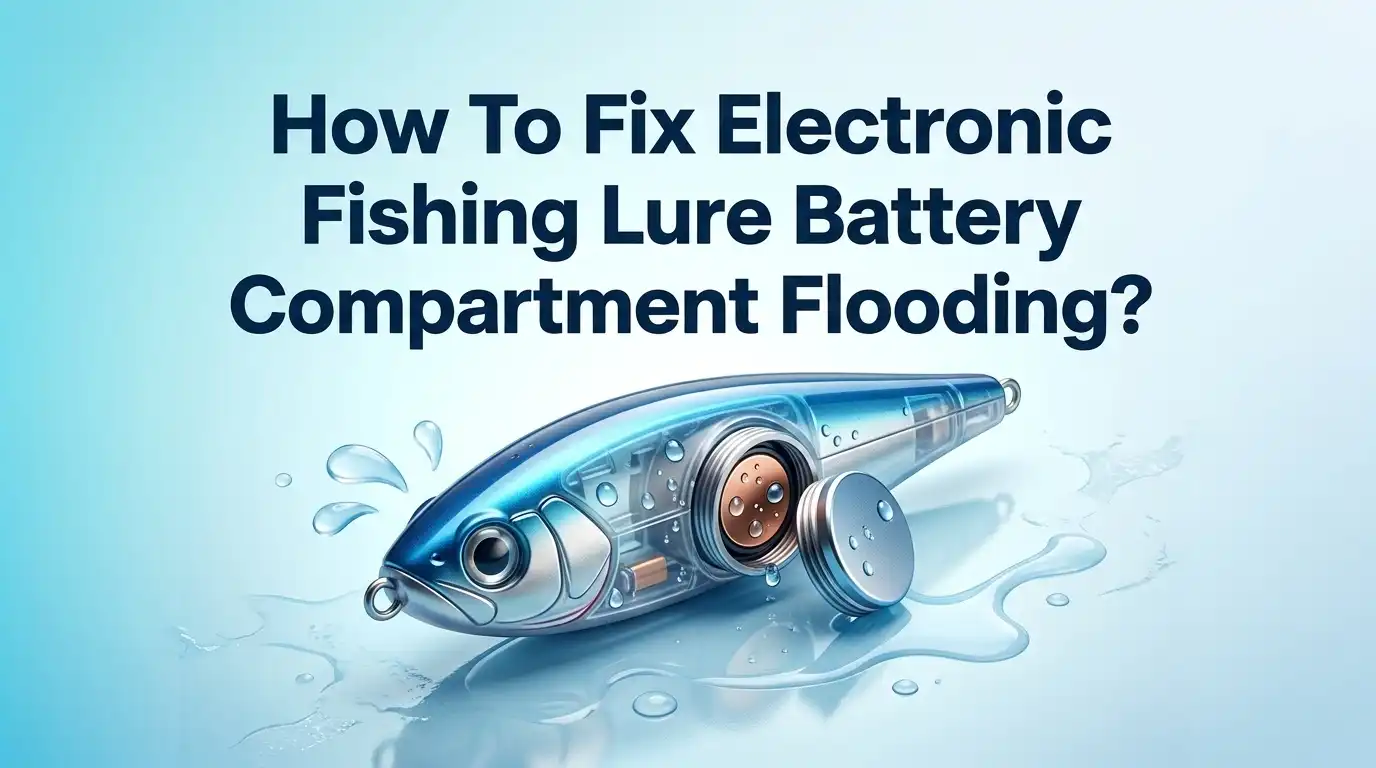
How To Fix Electronic Fishing Lure Battery Compartment Flooding?
Electronic fishing lures pack a punch. They flash light, buzz with vibration, and send out sound waves that fish cannot resist.
These features work best in murky water or during night fishing trips. Fish simply cannot see well, so they rely on other senses to find prey.
But there is one big problem anglers face. Battery compartment flooding can turn your prized lure into a useless piece of plastic.
In a Nutshell
- Battery compartment flooding happens when water, mud, or fish debris sneaks into your lure during use. This is the most common reason electronic lures stop working.
- Protective plastic tubing creates a simple barrier around your lure. Place it near the tail area and run your hook through it for added protection.
- Careful handling during casting and retrieval reduces exposure to water and debris. Rough handling opens small gaps that let moisture in.
- Proper storage matters just as much as careful use. Never toss a wet lure straight into your tackle box without checking the seals first.
- Seam sealing stops water from creeping into weak spots. Check these areas often, especially after a long day on the water.
- Quick action after noticing flooding can save your lure. Drying it out and checking the compartment right away often prevents permanent damage.
Why Electronic Lure Battery Compartments Flood
Electronic fishing lures rely on battery power to create light, sound, and vibration that attract fish. The battery compartment sits inside the lure body and powers all these features. This compartment faces constant exposure to water, mud, and fish debris during every fishing trip.
Water enters battery compartments through several common pathways. Tiny gaps and seams in the lure casing allow moisture to seep inside over time. The compartment seal degrades from repeated casting, retrieval, and handling stress. Fish scales, algae, and organic matter lodge in these small openings during use.
Flooding happens gradually in most cases. You might not notice water inside until your lure stops working. By then, corrosion has already damaged the battery contacts and circuit components. The longer water sits inside, the worse the damage becomes.
Mud and debris create a second problem beyond simple water infiltration. These materials block airflow and trap moisture against sensitive electronics. Corrosion accelerates when contamination mixes with water inside the compartment.
Improper storage between fishing trips makes flooding worse. Storing wet lures in tackle boxes traps moisture inside the compartment. Temperature changes cause condensation to form on internal components. This moisture has nowhere to escape once the compartment seals shut.
Rough handling during casting and retrieval stresses the compartment seals. Aggressive retrieves push water deeper into small cracks. Dropping lures or banging them against rocks creates new entry points for water and debris.
Understanding these flooding causes helps you prevent problems before they start. You now know that water enters through multiple pathways, debris compounds the damage, and storage matters as much as field use. The compartment seal weakens from regular fishing activity, making prevention and quick repairs essential for keeping your electronic lures functional throughout the season.
Signs Your Lure Has Water or Debris Contamination
Water and debris contamination in your electronic fishing lure shows itself in specific ways. Learning to spot these signs helps you catch problems early before your lure stops working completely.
The most obvious sign is performance loss. Your lure suddenly stops producing light, sound, or vibration even though the battery should be fresh. This happens because water shorts the electrical circuits inside the compartment. The lure might work intermittently, turning on and off without reason.
Visual indicators tell you a lot. Open your lure’s battery compartment and look inside. You might see water droplets, condensation on the battery, or a cloudy film coating the interior. Mud or sediment buildup appears as discolored deposits along the compartment walls or battery contacts.
Corrosion marks are another red flag. Battery terminals turn green, white, or brown when exposed to moisture. This corrosion prevents electricity from flowing properly. The battery might look fine, but the contacts are damaged beyond use.
Listen for unusual sounds. Some lures produce a crackling or popping noise when you activate them. This indicates water is interfering with the electrical components. Normal operation should produce clean, consistent sounds.
Check for visible leaks around seams. Small water droplets or wet spots near the compartment opening show that seals are failing. Debris might stick to these wet areas, creating visible contamination.
Smell matters too. A musty or metallic odor coming from the compartment suggests bacterial growth or advanced corrosion from water exposure. This smell indicates the problem has been present for a while.
The battery itself might feel loose. When water enters the compartment, it can cause slight swelling or warping. This makes the battery rattle inside rather than sitting snugly in place.
Catching these signs early gives you the best chance of saving your lure before permanent damage occurs.
Step-by-Step: Drying Out and Cleaning a Flooded Compartment
Start by removing the battery from your lure immediately. This stops any electrical current from flowing through contaminated water, which prevents corrosion from spreading faster.
Disassemble the battery compartment completely. Most electronic lures have a removable cover or cap. Gently unscrew or unclip it to access the interior. Work slowly to avoid damaging the seams or gasket inside.
Use a clean, dry cloth to wipe away visible water droplets and debris. Pat the interior surfaces gently. Do not rub aggressively, as this can push moisture deeper into crevices.
Let air circulation do the heavy lifting next. Place your lure in a warm, dry location with good airflow. A sunny windowsill works well. Leave the battery compartment open for at least 24 hours. This allows trapped moisture to evaporate naturally.
For stubborn moisture, use uncooked rice or silica gel packets nearby. These absorb humidity from the air around your lure. Position your lure so the open compartment faces upward to help water drain out.
Inspect battery terminals carefully after drying. Look for green, white, or brown corrosion marks. If corrosion exists, gently clean the terminals with a dry cotton swab. Do not use liquids, as this reintroduces moisture.
Check the gasket or rubber seal inside the compartment. Debris often gets trapped here. Remove any mud, sand, or organic matter with a soft brush or cloth.
Once everything is dry and clean, insert fresh batteries before reassembling. Test your lure in a bucket of water first to confirm it works. This catches any remaining problems before your next fishing trip.
Reassemble the battery compartment carefully. Make sure the gasket sits properly in its groove. Tighten all screws or clips evenly to ensure an even seal.
How to Reseal and Waterproof the Battery Housing
Once your lure is dry and clean, you need to seal the battery compartment properly. This prevents future water and debris from entering again.
Start by examining the gasket or rubber seal inside the compartment. This seal is your first line of defense against flooding. If it looks cracked, compressed, or damaged, it needs replacement. A worn gasket cannot create a watertight barrier anymore.
Clean the sealing surfaces thoroughly before reassembling. Use a dry cloth to wipe the compartment edges where the gasket sits. Remove any salt residue, fish debris, or old sealant material. A clean surface helps the new seal work better.
Apply a thin layer of waterproof sealant around the compartment opening. Marine grade silicone or epoxy putty works well for this purpose. These materials stay flexible when wet and create a moisture barrier. Avoid using too much sealant, as excess can prevent the compartment from closing properly.
Reinstall the gasket carefully. Make sure it sits evenly in its groove with no twists or gaps. Press it down gently to ensure full contact with the sealing surface.
Screw or snap the battery compartment cover back in place. Tighten it firmly but do not overtighten, as this can crack the plastic housing. Hand tighten until you feel resistance, then add a quarter turn.
Consider wrapping protective plastic tubing around your lure’s body as an extra barrier. Position this tubing near the tail area with the hook running through it. This shields the battery compartment from direct contact with water, mud, and fish debris during use.
Test the seal by submerging your lure in fresh water for 30 minutes. Remove it and open the compartment. If you find any moisture inside, the seal needs adjustment. Repeat the sealing process until the compartment stays completely dry.
Using Protective Tubing to Prevent Future Flooding
Protective tubing acts as a physical barrier between your lure and water. This simple method stops fish debris and moisture from reaching vulnerable seams on your battery compartment.
Start by measuring your lure’s body. You need tubing that fits snugly around the main section without restricting movement. The tubing should cover the areas most exposed to water during casting and retrieval.
Position the tubing near the tail area of your lure. This location captures debris before it travels toward the battery compartment. Run your hook through the tubing so it stays in place during use.
Cut the tubing to the right length. It should extend from just behind the head to near the tail section. Leave enough space for the lure to move naturally in water. Tight tubing can reduce the lure’s action and scare fish away.
Secure the tubing with small knots or wraps at both ends. Use fishing line or thin cord to hold it firmly. Make sure the tubing doesn’t slip during vigorous casting or fighting a fish.
Inspect the tubing regularly for damage. Tears or holes defeat the purpose of this protection. Replace tubing that shows cracks or separation from the lure body.
This method works best when combined with proper storage practices. Keep your lure in a dry container between fishing trips. Never leave it sitting in a tackle box with wet materials.
The tubing approach is reversible and doesn’t permanently alter your lure. You can remove it anytime without causing damage. This makes it ideal for testing whether extra protection improves your lure’s lifespan.
Combine tubing with careful handling during deployment. Avoid throwing your lure with excessive force. Gentle, controlled casts reduce stress on seams and compartment covers. This two part approach keeps your electronic lure working through many fishing seasons.
Best Practices for Handling and Storing Electronic Lures
Your electronic fishing lure needs proper care between fishing trips. How you handle and store these devices directly impacts battery compartment longevity and overall performance.
Start by cleaning your lure immediately after use. Rinse it with fresh water to remove fish debris, algae, and salt. Pat it dry with a soft cloth. Never leave your lure wet in a tackle box or storage container. Moisture trapped inside leads to corrosion and flooding.
Store your lures in a cool, dry location. A climate controlled room works best. Avoid damp basements, humid garages, or outdoor sheds. Temperature swings cause condensation inside battery compartments. Keep your lures away from direct sunlight, which degrades plastic and rubber seals over time.
Use individual storage cases or compartments for each lure. This prevents them from bumping together during transport. Damaged seals allow water entry quickly. Soft foam boxes or padded tackle organizers work well for this purpose.
Check your lures monthly even when not in use. Open the battery compartment and inspect the gasket for cracks or hardening. A compromised seal fails during your next fishing trip. Replace worn gaskets before they cause problems.
Remove batteries during long storage periods. Batteries leak and corrode when stored inside inactive lures. This destroys the compartment and electronic components. Keep batteries in a separate, dry container.
When transporting lures to fishing locations, use waterproof containers. Hard plastic cases with rubber seals protect against splashing and humidity. Soft bags absorb water and trap moisture inside.
Never store wet lures. Always dry them completely first. Store them vertically or horizontally, but not in sealed bags that trap moisture. Good air circulation prevents mold and mildew growth.
Handle your lures gently during casting and retrieval. Rough handling stresses seals and creates micro cracks. These tiny openings let water seep inside over time. Careful handling extends battery compartment life significantly.
Common Mistakes That Lead to Repeated Flooding
Many anglers repeat the same mistakes that cause their electronic lures to flood repeatedly. Understanding these errors helps you break the cycle of failed lures and wasted money.
Ignoring small leaks during initial use is a major problem. You notice a tiny bit of water seeping in after your first outing, but you ignore it. You think the lure will still work. This small leak grows worse with each fishing trip. Water gradually fills the battery compartment and corrodes the electronics inside. By the time you realize the damage, the lure is completely ruined.
Rushing the reassembly process causes many flooding issues. After cleaning your lure, you quickly screw the battery compartment back together without checking the gasket position. The seal sits crooked. Water finds its way through the misaligned opening on your next trip. Take your time when reassembling. Make sure every component sits properly in place.
Exposing lures to extreme temperature changes creates condensation problems that lead to flooding. You store your lure in a cold garage overnight. The next morning, you take it to warm water. Moisture forms inside the compartment. This water drips directly onto the battery and electronics. Store your lures at consistent temperatures whenever possible.
Casting too aggressively forces water into the compartment during retrieval. The violent impact when your lure hits the water can force moisture through small gaps. Use smooth, controlled casting motions instead of hard, forceful throws.
Neglecting monthly inspections means you miss early warning signs. Small cracks in the compartment cover go unnoticed. Gasket deterioration happens silently. By checking your lures monthly, you catch problems before they cause flooding. Look for visible damage, corrosion stains, or water droplets inside the compartment.
These mistakes are all preventable. Slow down, stay consistent, and check your equipment regularly. Your electronic lures will last much longer.
Final Thoughts
Fixing a flooded battery compartment takes patience and the right approach. Most flooding problems come from small gaps or worn seals that let water sneak in. Once you spot the issue early, you can dry out the compartment and stop further damage.
Your electronic lure can work like new again if you act fast. Drying and cleaning the compartment thoroughly removes moisture and debris that block proper function. Skipping this step often leads to repeated failures.
Protective tubing gives your lure an extra layer of defense against water and fish debris. This simple fix costs little effort but saves you from constant repairs. Many anglers overlook this step until flooding becomes a regular headache.
Good storage habits matter just as much as physical repairs. A dry, cool storage spot keeps your lure compartment safe between trips. Removing batteries during long breaks stops corrosion before it starts.
Regular inspections catch small problems before they turn into bigger ones. Checking your lure monthly helps you spot cracks, loose seals, or worn tubing early. This habit alone can add years to your lure’s life.
Handling your lure gently during casts and retrieves also reduces stress on the compartment. Rough handling forces water into small openings that seals cannot always block. Slower, careful movements protect your gear better than you might expect.
Every angler faces flooding issues at some point. The difference lies in how quickly you respond and how well you maintain your gear afterward. Consistent care keeps your electronic lures working when you need them most.
Fixing flooding is not just about repair. It is about building habits that prevent damage before it happens. With the right care, your lure stays ready for every fishing trip, rain or shine.
Frequently Asked Questions
Can I still use my electronic lure if water gets inside the battery compartment?
Yes, but only if you act quickly. Water inside the compartment will damage the circuit board and corrode the battery terminals. Your lure stops working when this happens. Remove the batteries immediately and dry everything with a soft cloth. Let the compartment air dry for 24 to 48 hours before reassembling. If the lure turns on after drying, you caught the problem in time. If it doesn’t work, the internal components may have permanent damage.
Why does debris from fish get into the battery compartment?
Fish scales, slime, and organic matter are sticky. They cling to your lure during retrieval. Water carries this debris toward any opening or weak seal on your lure. The battery compartment has seams that are vulnerable to infiltration. These seams are natural weak points where water and debris can slip inside. Rough handling during casting and retrieval pushes water and particles deeper into these gaps.
What’s the best way to prevent flooding before it starts?
Protective tubing is your first line of defense. Wrap plastic tubing around the lure body near the tail area and run your hook through it. This barrier blocks fish debris and reduces water contact with the compartment. Store your lure in a dry location between fishing trips. Never leave a wet lure sitting in a tackle box. Check your compartment seals monthly for cracks or wear. Remove batteries during long storage periods since they leak and corrode over time.
How often should I inspect my electronic lure for damage?
Check your lure once a month, even when you’re not using it actively. Monthly inspections catch small cracks and loose seams before they cause flooding. Look at the compartment seals closely. Feel for any moisture inside the battery area. Early detection saves your lure from serious damage and keeps it fishing ready.

Hi, I’m Minnie Cole, the creator of The Output Lab — a space where I share my passion for all things tech. I spend my days exploring the latest gadgets, devices, and electronics on Amazon, putting them through real-world testing so you don’t have to.