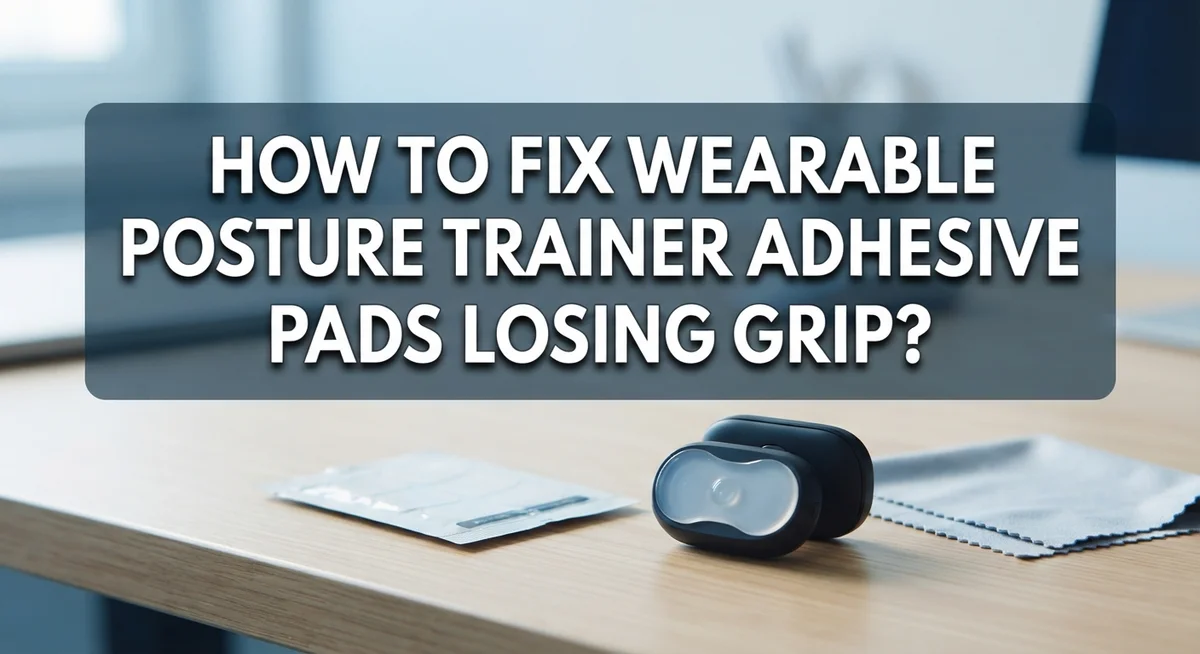
How To Fix Wearable Posture Trainer Adhesive Pads Losing Grip?
Your posture trainer works great when it stays in place. But when the adhesive pads start losing their grip, things get frustrating fast.
You are not alone. Many people face this problem, especially in hot weather or after regular use. The pads collect sweat, dust, and body oils over time. This buildup weakens the sticky surface and makes the device slide or fall off.
The good news is that this issue has simple fixes. You do not need to replace your entire device right away.
In a Nutshell
- Prep your skin first. Wash the area with mild soap and let it dry fully before you stick the pad on.
- Avoid lotions and oils. These create a barrier that stops the adhesive from bonding well.
- Store pads properly. Keep them away from heat and moisture when you are not using them.
- Replace worn pads. Adhesive loses power over time, so swap old pads for fresh ones.
- Press firmly after applying. Hold the pad in place for a few seconds to help it set.
- Watch the weather. Heat and sweat make pads slip faster, so plan around this.
Why Posture Trainer Adhesive Pads Lose Grip Over Time
Adhesive pads on posture trainers lose grip for several clear reasons. Understanding these causes helps you prevent the problem before it starts.
Sweat and moisture are the main culprits. Your skin produces sweat throughout the day, especially during exercise or warm weather. This moisture breaks down the adhesive bond and causes the pad to slip. The longer you wear the device, the more sweat builds up underneath.
Skin oils and lotions create a slippery surface. Your skin naturally produces oils that protect it. When you apply moisturizers, sunscreen, or other products, these oils form a barrier. The adhesive cannot grip through this barrier, so the pad loses contact with your skin.
Heat exposure weakens adhesive over time. High temperatures affect the chemical bonds in the adhesive material. Storing your pads in warm places or leaving them in direct sunlight speeds up this breakdown. Even body heat from wearing the device contributes to this gradual weakening.
Repeated use and aging reduce adhesive strength. Every time you remove and reapply a pad, the adhesive loses some of its stickiness. After many applications, the adhesive becomes less effective. Pads have a limited lifespan before they need replacement.
Skin movement and stretching stress the adhesive bond. As you move throughout the day, your skin shifts and stretches. This constant motion pulls at the edges of the pad. Over time, this stress causes the adhesive to separate from your skin.
Dead skin cells accumulate on your skin surface. These cells create a layer between your skin and the adhesive. The pad bonds to dead skin instead of living skin, so it loses grip more easily.
Friction from clothing also plays a role. Tight shirts or movement against fabric can peel back the pad edges. This friction gradually weakens the seal around the entire pad.
These factors often work together. A combination of sweat, heat, and skin oils makes the problem worse faster than any single cause alone.
Signs Your Adhesive Pads Need Attention
Your adhesive pads send you clear warning signs when they need attention. Catching these signals early helps you fix the problem before your posture trainer falls off completely.
The pad starts peeling at the edges before it fully detaches. You might notice the corners lifting away from your skin. This happens gradually, so check your device every few hours during the first day of use.
Reduced stickiness when you reapply the pad tells you the adhesive is wearing out. If the pad held strong yesterday but feels loose today, the bonding power has declined. This is normal and expected with regular use.
Visible adhesive residue on your skin means the pad lost its grip but left sticky material behind. This residue buildup actually prevents new pads from sticking properly. You need to clean it off completely before applying a fresh pad.
The pad shifts position during movement without fully falling off. Your posture trainer slides around instead of staying fixed in one spot. This shifting reduces its effectiveness and comfort.
You feel the device moving when you bend or stretch. The pad should stay firmly in place even during normal activity. Any movement signals that adhesion strength has dropped below acceptable levels.
Visible dirt or discoloration on the adhesive surface shows contamination has occurred. Dust, lint, and dead skin cells accumulate on the sticky side. This buildup creates a barrier between the adhesive and your skin.
The pad feels tacky but won’t stick firmly. Sometimes adhesive feels slightly sticky but lacks the strong grip you need. This happens when moisture or oils have partially degraded the bonding power.
Pay attention to these signs so you can take action quickly. Early intervention keeps your posture trainer working effectively. Most of these issues have straightforward solutions that take just a few minutes to complete.
Preparing Your Skin and Device Before Reapplying Pads
Getting your skin and device ready makes a huge difference. Clean skin is your foundation for strong adhesion. Start by washing the area where you’ll apply the pad with mild soap and lukewarm water. Use gentle circular motions to remove dirt, sweat, and dead skin cells. Rinse thoroughly and pat dry with a clean towel.
Let your skin air dry completely before applying the pad. This step takes just a few minutes but prevents moisture from interfering with the adhesive bond. Wet or damp skin creates a barrier that stops the pad from sticking properly.
Avoid applying lotions, oils, or moisturizers to the skin area beforehand. These products leave a slippery coating that prevents adhesive contact. If you use sunscreen or other skincare products, apply them to other areas instead. Wait at least 15 minutes after any skincare routine before attaching your pad.
Inspect your device carefully before reapplication. Check the adhesive pad surface for dirt, lint, or old residue. Gently wipe the pad with a clean, dry cloth to remove any debris. Look for visible damage or hardened adhesive that might prevent a fresh grip.
Examine the device itself for cracks or damage that could affect how the pad sits. Make sure the contact surface is smooth and clean. Remove any old adhesive residue using a soft cloth or gentle rubbing motion.
Check your skin for any irritation, rashes, or sensitivity in the target area. If your skin feels irritated, wait a day or two before reapplying. Irritated skin produces more oils and sweat, which weakens adhesion.
Temperature matters too. Avoid applying pads immediately after hot showers or exercise when your skin is warm and moist. Wait until your skin returns to normal temperature. Cold skin sometimes contracts, so room temperature is ideal for the best adhesive contact and long lasting grip.
Step-by-Step Guide to Restoring Adhesive Grip
Restoring adhesive grip requires a systematic approach. Start by cleaning the skin area where you’ll place the pad. Use a gentle cleanser and warm water to remove sweat, oils, and dead skin cells. Pat your skin dry with a clean towel until it feels completely dry to the touch.
Next, clean the adhesive pad itself if it’s reusable. Wipe it gently with a dry cloth to remove dust, lint, or debris. If the pad has visible residue or feels less sticky, you may need to replace it with a fresh one. Old pads rarely regain full adhesive strength.
Before applying the pad, wait a few minutes after cleaning. This allows any remaining moisture to evaporate completely. Even small amounts of water reduce adhesive effectiveness significantly.
Position the pad carefully on your skin. Press it down firmly using steady pressure for at least five to ten seconds. This contact time helps the adhesive bond properly. Start from the center and press outward toward the edges to remove air bubbles.
Avoid moving the device immediately after application. Give the adhesive time to set fully before bending or stretching. Most adhesive pads need between one and two minutes before they reach maximum grip strength.
Check the pad’s edges after thirty minutes. If you notice any peeling, press down gently again. This second application reinforces the bond while the adhesive is still fresh.
Keep your skin in good condition throughout the day. Avoid excessive sweating during the first hour after application. If you exercise, apply the pad after your workout when your skin is clean and dry.
Store your device in a cool, dry place. Heat weakens adhesive strength, so avoid leaving it in direct sunlight or hot environments. Proper storage between uses helps maintain the adhesive’s effectiveness for your next application.
Best Practices for Extending Adhesive Pad Lifespan
Extending the lifespan of your adhesive pads means understanding what causes them to fail and taking action before problems start. Consistent maintenance is your best defense against premature pad deterioration.
Replace your pads on a regular schedule rather than waiting until they completely fail. Most adhesive pads last between three to seven days depending on your activity level and skin type. Marking a calendar helps you stay on track and prevents the frustration of sudden detachment during the day.
Rotate the placement location on your body when possible. Applying pads to the same exact spot repeatedly weakens the skin’s ability to hold adhesive. Your skin needs recovery time between applications. Switching sides or slightly adjusting position gives that area a break while maintaining device functionality.
Minimize excessive sweating in the target area before pad application. Sweat breaks down adhesive bonds quickly and creates a slippery surface. If you exercise or know you’ll be active, apply your pad after physical activity rather than before. This simple timing adjustment significantly extends grip strength.
Protect your pads from unnecessary friction and rubbing. Wear smooth, soft fabrics over the device area when possible. Rough textures constantly agitate the pad edges and speed up peeling. Looser fitting clothes reduce the constant tugging that weakens adhesion.
Keep humidity levels moderate in your environment. Extremely humid conditions make adhesive tacky but less effective at bonding. Conversely, very dry air can cause pads to become brittle. Aim for comfortable indoor humidity levels around 40 to 60 percent.
Store replacement pads properly in their original packaging until needed. Exposure to heat, sunlight, or air degrades adhesive quality over time. Keep pads in a cool location away from direct sunlight.
Handle pads with clean, dry hands during application and removal. Oils from your fingers transfer to the adhesive surface and reduce stickiness. Taking these preventive steps helps your pads maintain strong grip throughout their intended lifespan.
Common Mistakes That Weaken Adhesive Performance
Many people accidentally damage their adhesive pads through simple habits. Understanding these mistakes helps you keep your device secure throughout the day.
Touching the adhesive surface with your fingers is one of the biggest problems. Your skin naturally produces oils and moisture. When you press your fingers on the sticky side, you transfer these substances directly onto the pad. This creates a barrier that prevents proper bonding with your skin.
Applying the pad to damp or sweaty skin causes major grip loss. Even light moisture reduces how well adhesive sticks. Your body temperature and activity level matter significantly here. Wait until your skin feels completely dry before placement.
Applying too much pressure too quickly can actually backfire. People often press hard immediately after placing the pad, thinking this creates better contact. Instead, gentle and gradual pressure works best. This allows the adhesive to bond naturally with your skin.
Wearing the same pad for too long weakens its sticking power. Adhesive pads have a limited lifespan. Each time you remove and reapply the same pad, the adhesive loses effectiveness. The material becomes less tacky over multiple uses.
Exposing your pads to extreme temperatures before use damages their performance. Heat and cold affect how adhesive behaves. Store your pads in a stable environment away from direct sunlight or cold areas.
Rough handling during removal can degrade the adhesive quality. Ripping the pad off quickly tears the material and wastes the adhesive. Peel slowly and gently to preserve both the pad and the adhesive layer.
Ignoring skin irritation or sensitivity creates problems too. If your skin reacts to the pad, the adhesive won’t perform well. Your body’s natural response includes increased moisture production, which weakens grip.
Finally, applying pads over wrinkled or folded skin reduces contact area. Smooth skin provides the best surface for adhesion. These common mistakes are entirely preventable with awareness and care.
Troubleshooting Persistent Grip Issues
When your posture trainer’s adhesive pads lose grip despite your best efforts, you’re facing a persistent problem that needs a different approach. Sometimes the issue goes beyond simple cleaning or reapplication techniques.
First, examine the pad material itself. Adhesive pads degrade over time through repeated use. Even with proper care, they have a limited lifespan. If you’ve been using the same pads for several weeks, the adhesive compound simply becomes less effective. The stickiness naturally decreases with age, regardless of storage conditions.
Check whether your skin chemistry might be working against the adhesive. Some people have naturally oily skin that interferes with grip, even after thorough cleaning. Others experience variations in skin moisture throughout the day. Your skin’s pH level and natural oils can reduce adhesive effectiveness significantly.
Environmental factors play a bigger role than you might think. High humidity environments cause adhesive pads to lose their grip faster. If you live in a humid climate or use your trainer in steamy conditions, the moisture penetrates the adhesive layer. This weakens the bond between pad and skin consistently.
Consider rotating between different pad locations on your body. Repeated application to the same exact spot can cause skin buildup or irritation that prevents proper adhesion. Your skin adapts to constant pressure and friction, making it harder for fresh pads to stick effectively.
Try adjusting your application timing. Apply your pad during the cooler parts of your day when your skin is driest. Morning application often works better than evening when body temperature rises. Wait longer between skin preparation and pad application to allow any moisture to evaporate completely.
If grip issues continue after trying these approaches, your pads may have reached the end of their useful life. Replacement becomes your best solution rather than continued troubleshooting.
Final Thoughts
Keeping your posture trainer working well comes down to simple daily habits. Clean skin and clean pads make a huge difference in grip quality. Small changes in how you handle your device create lasting results.
Adhesive pads are not built to last forever. They wear out through normal use, and that’s completely expected. Replacing them on time saves you from bigger frustrations later.
Think about your adhesive pads like any other wearable accessory. They need care, attention, and proper storage. Rushing through application or removal often causes more harm than good.
Your body chemistry, environment, and daily routine all affect how long a pad stays secure. Some days will be better than others, and that’s normal. Pay attention to patterns that seem to help or hurt grip performance.
Consistency matters more than perfection. You don’t need to get everything right every single time. Building good habits around pad care will naturally improve your results over weeks and months.
If you notice persistent problems, don’t ignore them. Small grip issues often signal bigger underlying causes. Addressing these early prevents wasted pads and frustrating mid-day failures.
Remember that everyone’s skin and lifestyle are different. What works perfectly for one person might need adjustment for you. Testing and adapting your approach will get you better long term results.
Posture trainers only work when they stay in place. A pad that keeps slipping defeats the whole purpose of wearing the device. Taking grip issues seriously helps you get real value from your posture training routine.
At the end of the day, small efforts add up. Cleaning your skin, storing pads correctly, and replacing them on schedule are simple steps. These habits keep your posture trainer functional and comfortable every single day.
Frequently Asked Questions
How often should I replace my adhesive pads?
Most adhesive pads last between 5 to 7 days of regular use. However, this depends on your skin type and activity level. If you sweat heavily or exercise frequently, your pads may lose grip faster. Check your pads daily for signs of weakening. When you notice the edges starting to lift or the center feeling loose, it’s time for a fresh pad. Don’t wait until the pad completely fails to replace it.
Can I clean and reuse old adhesive pads?
No, you cannot effectively reuse adhesive pads. Once a pad loses its grip, cleaning it won’t restore the adhesive quality. The adhesive material is designed for single use only. Attempting to reuse pads wastes your time and compromises your posture trainer’s effectiveness. Always use new pads for optimal performance and comfort.
Why does my skin type affect how long pads stick?
Your skin produces natural oils and moisture that interact with the adhesive. Oily skin tends to reduce adhesion faster than dry skin. People with sensitive skin may experience irritation that causes them to remove pads prematurely. Some skin types have higher pH levels that can break down adhesive bonds. Understanding your skin helps you choose the right application timing and location on your body.
What’s the best way to store unused adhesive pads?
Store your pads in a cool, dry place away from direct sunlight. Keep them in their original packaging or an airtight container. Avoid storing pads in bathrooms where humidity is high. Heat and moisture damage the adhesive before you even apply them. Proper storage extends the shelf life of your unused pads significantly.
Hi, I’m Minnie Cole, the creator of The Output Lab — a space where I share my passion for all things tech. I spend my days exploring the latest gadgets, devices, and electronics on Amazon, putting them through real-world testing so you don’t have to.