How To Fix Smart Ring Inner Resin Shell Cracking?
Your smart ring works hard for you every single day. It tracks your sleep, counts your steps, and monitors your heart rate. But lately, you noticed something strange on the inner shell.
A tiny crack appeared on the resin surface. Maybe you spotted a few more since then. This can feel worrying, especially since your ring sits so close to your skin.
Resin shells are durable, but they are not invincible. Heat, pressure, and everyday wear can cause small fractures over time. The good news is that this problem is common and often fixable.
In a Nutshell
- Heat and cold cause damage. Sudden temperature changes make the resin expand and shrink. This weakens the shell over time.
- Pressure points matter. Tight grips, hard knocks, or squeezing the ring can create small stress cracks.
- Chemicals break down resin. Lotions, perfumes, and cleaning products can slowly eat away at the shell’s surface.
- Small cracks grow bigger. A tiny crack often spreads if you ignore it. Quick action stops it from getting worse.
- Proper cleaning helps a lot. Use mild soap and water instead of harsh chemicals. This keeps the resin strong and clear.
- Storage matters too. Keep your ring in a safe case when you are not wearing it. This prevents accidental drops or scratches.
- Professional repair is sometimes needed. If the crack affects the sensors, contact the maker for support. Do not try to fix internal parts yourself.
What Causes the Inner Resin Shell to Crack
The inner resin shell of your smart ring faces constant stress from daily wear. Understanding what causes cracks helps you prevent them before they start.
Moisture and humidity create a major problem for resin shells. When water seeps into tiny gaps, it weakens the material from the inside. Your ring encounters moisture every time you wash your hands, shower, or exercise. The resin absorbs this water slowly over time. This absorption causes the shell to swell slightly. When it dries out later, it shrinks back down. This repeated swelling and shrinking creates internal stress. Eventually, small cracks form where the material cannot handle the tension anymore.
Repeated flexing damages the resin structure too. Your finger naturally moves and bends throughout the day. The ring flexes with your finger. This constant bending puts pressure on the inner shell. Unlike flexible materials, resin is rigid. It cannot bend forever without developing fatigue cracks. The more you move your finger, the more stress the shell experiences.
Age and UV exposure weaken resin over time. Sunlight breaks down the chemical bonds in the material. This makes the resin more brittle. A brittle shell cracks much easier than a fresh one. Even indoor light exposure gradually damages resin. The longer you wear your ring, the more vulnerable it becomes.
Manufacturing defects sometimes cause hidden cracks. Tiny flaws in the resin layer might not show up immediately. These weak spots crack first when pressure is applied. This explains why some rings crack suddenly without obvious cause.
Improper sizing puts uneven pressure on the shell. A ring that sits too tight squeezes the resin constantly. A loose ring rotates and flexes at odd angles. Both situations stress the inner shell differently. The material cracks where pressure concentrates most.
Recognizing these causes helps you adjust your habits and protect your ring’s lifespan.
Signs Your Smart Ring Shell Is Cracking
Your smart ring sends you clear signals when the inner resin shell starts to crack. Learning to spot these signs early helps you take action before the damage spreads further.
Visual cracks and splits are the most obvious warning signs. You might see thin lines running across the resin surface, or small pieces of the shell may actually flake off. These cracks often start near the inner edge where your finger contacts the ring constantly.
Discomfort and irritation on your skin tell you something is wrong. Sharp edges from developing cracks can rub against your finger and cause redness or soreness. If your ring suddenly feels uncomfortable after wearing it without issues for months, a crack is likely forming inside.
Loose or wobbly sensors indicate shell damage. Your smart ring’s electronic components sit inside the resin shell. When cracks develop, the shell loses its structural integrity and the sensors may shift slightly. You might notice the ring feels less stable on your finger than before.
Water seeping into the device is a serious sign. A cracked shell allows moisture to reach the internal electronics. If your ring stops responding correctly or displays error messages, water damage from a crack could be the culprit.
Visible discoloration around the crack area suggests moisture has already entered. You might see white streaks, dark spots, or a cloudy appearance near the damaged section. This means the protective barrier has failed.
The ring feels thinner or lighter in one spot. Sometimes cracks cause small pieces of resin to break away gradually. Running your finger around the entire ring helps you feel for these worn areas.
Check your smart ring weekly for these signs. Early detection prevents minor cracks from becoming major problems that ruin your device completely.
Step-by-Step: Assessing the Damage Before You Fix It
Before you attempt any fix, you need to understand exactly what damage your smart ring has. This step saves you time and prevents you from making the problem worse.
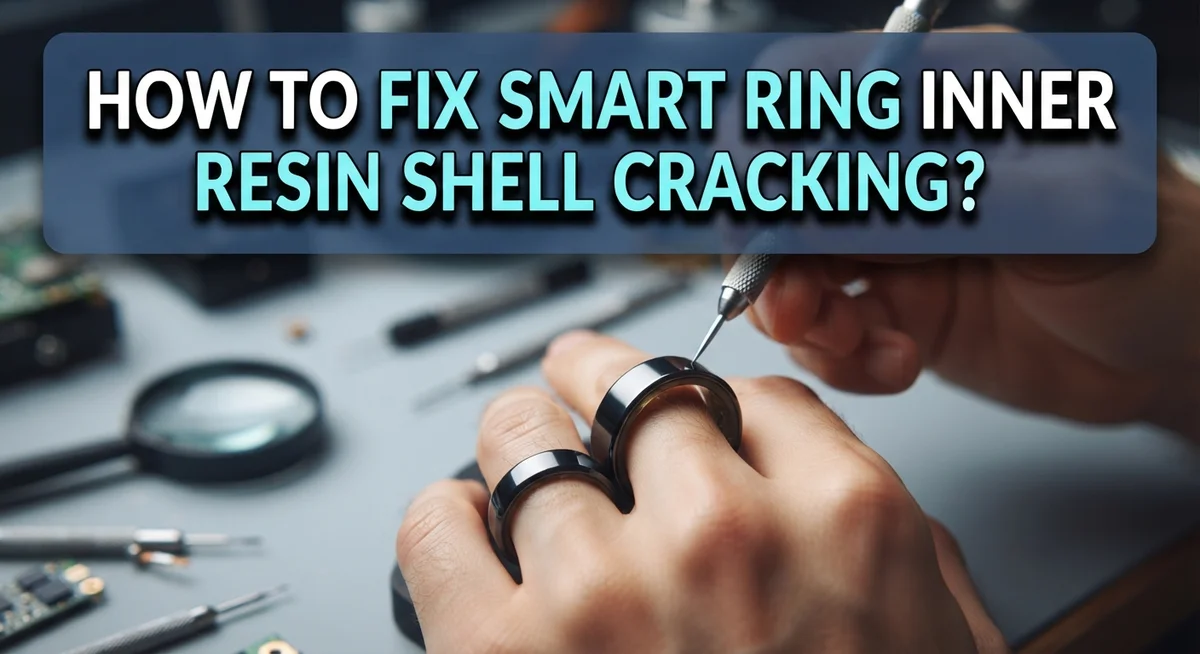
Start by examining the crack under good lighting. Use a magnifying glass or your phone’s camera zoom to get a clear view. Look at the crack’s length, depth, and location on the resin shell. Small surface cracks are different from deep structural breaks.
Check if the crack goes all the way through the shell or stays on the surface. Run your finger gently over the damaged area to feel the depth. A surface crack feels like a thin line. A deep crack might have raised or separated edges.
Look for multiple cracks, not just one. Sometimes one visible crack means others are forming nearby. Examine the entire ring slowly and document what you find. Take photos from different angles for reference.
Test the ring’s structural integrity by gently pressing around the crack. Does the shell feel stable or does it flex too much? If the ring feels loose or wobbly, the damage is serious. Note any areas where the shell separates from the internal components.
Check for water damage inside the ring. Look through any openings or transparent areas. Moisture inside means the crack has already compromised the seal. This affects how you’ll repair it.
Assess the crack’s location on your finger. Is it on the inner surface, outer surface, or both? Cracks on the inner surface cause more discomfort and irritation. Outer surface cracks are easier to address.
Document the ring’s overall condition. Is the resin discolored, brittle, or soft around the crack? These signs tell you whether the damage is recent or has been developing for a while.
This assessment guides your next repair decision. You’ll know whether you can handle the fix yourself or need professional help.
How To Safely Repair Minor Resin Shell Cracks
Minor resin cracks need quick action before they get worse. Start by cleaning the cracked area thoroughly with mild soap and lukewarm water. Pat it completely dry with a soft cloth. Never use paper towels, as they can scratch the resin further.
Next, inspect the crack closely under bright light. Use a magnifying glass if you have one. This helps you see if dirt or debris sits inside the crack. Remove any particles gently with a soft brush or compressed air. Do not poke the crack with sharp objects.
For surface level cracks that do not penetrate deep, you can stabilize the area. Apply gentle pressure around the crack to prevent movement. Keep the ring still and avoid bending or flexing that specific spot. Wear the ring on a different finger temporarily if possible.
Some people use clear protective coatings designed for resin surfaces. These coatings seal minor cracks and prevent moisture from entering. Apply thin layers only. Let each layer dry completely before adding another. Follow the product instructions carefully for drying times.
Monitor the crack daily for the next week. Take photos to track whether it spreads or stays the same. If the crack grows or new cracks appear, the damage may be too severe for home repair.
Keep the ring dry at all times during the repair process. Remove it before showering, swimming, or exercising. Store it in a dry case with silica packets if your area has high humidity.
If the crack shows no improvement after one week, or if it reaches the sensor areas, professional repair becomes necessary. Home fixes only work for small surface cracks. Deeper damage requires expert assessment to protect your device’s functionality and your skin’s safety.
Preventing Further Damage After a Temporary Fix
After you’ve applied a temporary fix to your smart ring’s cracking resin shell, the real work begins. Preventing further damage is just as important as the initial repair. Your next steps will determine whether the crack stays stable or spreads.
Start by reducing pressure on the ring. Wear it on a different finger for a few weeks if possible. This gives the repaired area time to settle without constant flexing. If you must wear it on the same finger, loosen it slightly so it sits more comfortably.
Keep your smart ring completely dry during the healing period. Remove it before showering, swimming, or washing dishes. Moisture can seep into the crack and weaken any temporary sealant you applied. Dry your hands thoroughly before putting the ring back on.
Avoid activities that create repetitive stress on the ring. Skip intense workouts, heavy lifting, or gripping activities for at least two weeks. These movements put pressure on the shell and can reopen the crack. Gentle daily tasks are fine, but anything that makes you clench your fist should be avoided.
Check the crack every single day. Look for signs that it’s growing, deepening, or spreading to new areas. Take photos from the same angle each day so you can compare progress. This tracking helps you decide if professional repair is necessary.
Store your ring in a protective case when you’re not wearing it. This prevents accidental drops or pressure damage. Keep it away from extreme temperatures, as heat and cold can cause the resin to expand and contract.
Watch for any changes in how the ring feels on your finger. Increased discomfort, new pressure points, or shifting sensors all signal that the damage is getting worse. If you notice these changes within the first week, stop wearing it and seek professional help immediately.
Common Mistakes to Avoid During Repair
Rushing into repairs without proper assessment is the biggest mistake people make. You might see a crack and immediately try to seal it, but this can trap moisture inside. Take time to understand the damage first before applying any fix.
Using the wrong materials causes more harm than good. Some people grab adhesives or sealants from their kitchen or garage without checking if they work with resin. The wrong substance can react badly with your ring’s shell and make the crack worse.
Applying too much pressure during repairs damages the ring further. Your smart ring is delicate. Pressing hard on the cracked area while trying to apply a coating can push the crack deeper or create new ones. Use a gentle touch and let materials dry naturally.
Ignoring moisture completely is a critical error. Many people focus only on the visible crack and forget that water may have already entered the device. If you skip checking for internal moisture, your ring’s electronics will fail even if the shell looks fixed.
Skipping the daily monitoring step leaves you guessing about progress. You need to check your ring every day to spot if the crack spreads or if new damage appears. This tells you whether your temporary fix is working or if you need professional help.
Wearing your ring during the repair period undoes all your work. The constant pressure from your finger moving and bending creates stress on the cracked area. Your ring needs rest time while any coating or stabilizer sets properly.
Forgetting to store your ring safely afterward causes the same problem to happen again. Once you’ve fixed the crack, protect your ring in a case when you’re not using it. This prevents accidental drops and pressure that could reopen the damage.
When Cracking Indicates a Deeper Structural Issue
Sometimes a crack in your smart ring’s resin shell signals something more serious than simple wear and tear. You need to recognize when the damage goes beyond surface level.
Deep structural cracks often indicate the ring has experienced significant impact or stress. These cracks typically run through multiple layers of the resin material, not just the outer coating. If you see a crack that extends halfway or more through the shell, the ring’s structural integrity is compromised.
Watch for cracks that affect the sensor area specifically. Smart rings have delicate electronic components underneath the resin layer. When cracks reach these zones, water can seep inside and damage the sensors permanently. This type of damage usually cannot be fixed at home.
Pay attention to how the crack behaves over time. A crack that spreads rapidly across the ring within days suggests internal pressure or material failure. Slow growing cracks might stabilize with proper care. Rapid expansion means the structural problem is active and getting worse.
Check if the crack causes the ring to feel loose or unstable on your finger. Structural failure changes how the ring sits. You might notice it shifts more than usual or feels different during movement. This sensation tells you the shell is no longer holding its shape properly.
Look for cracks that branch into multiple directions. These spider web patterns indicate the resin experienced severe stress. Single straight cracks sometimes stay manageable, but branching patterns usually worsen quickly.
Test whether the crack produces any movement or flexing when you gently press the area. If the pieces move independently, the shell has truly separated. This level of damage requires professional intervention because the ring cannot function safely.
Deep structural issues demand professional repair or replacement. Attempting to fix these problems yourself risks permanent damage to the electronic components inside. Contact the manufacturer or a professional repair service when you identify these warning signs.
Final Thoughts
A cracked resin shell on your smart ring feels stressful at first. But now you know it’s manageable in most cases.
The key is acting quickly once you spot the crack. Small delays can turn a minor issue into a major repair job.
Your daily habits matter just as much as the initial fix. Checking the crack, keeping the ring dry, and giving it rest all work together.
Think of this process as teamwork between you and your device. Neither step alone fixes the problem completely.
Remember that not every crack is the same. Some heal well with a temporary fix. Others need a professional’s attention right away.
Trust your observations during the healing period. If something feels off, it usually is.
Your smart ring tracks your health data every day. It deserves the same careful attention you give your own body.
Patience plays a huge role here too. Rushing the process almost always backfires and creates new problems.
Keep a simple record of what you notice each day. This habit helps you catch changes early and make smarter decisions.
If your temporary fix does not hold up, do not panic. This is common, and it simply means the next step is professional repair.
A smart ring is a small piece of technology, but it plays a big part in your daily routine. Treating it well extends its life significantly.
Finally, prevention beats repair every time. Handle your ring gently, store it properly, and avoid unnecessary impact whenever possible.
With the right care and a bit of attention, your smart ring can serve you well for a long time. Small efforts today save you bigger headaches tomorrow.
Frequently Asked Questions
Can I wear my smart ring while the resin shell is cracking?
No, you should remove your ring immediately once you notice cracking. Wearing it during this time puts additional pressure on the damaged area. Movement and flexing make the crack spread faster. Your finger’s natural motion causes the broken pieces to rub together. This friction damages the resin further and can affect the sensors inside.
Set your ring aside in a safe, dry place while you assess the damage. Give yourself time to decide on the best repair approach. Continuing to wear it only extends the repair timeline later.
How long does a resin shell crack take to heal?
Healing time depends on the crack’s size and depth. A small surface crack typically stabilizes within 3 to 7 days with proper care. Larger cracks need 10 to 14 days or more. Deep structural cracks may never fully heal without professional help.
Your daily monitoring matters here. Check the crack each morning and evening. Look for changes in its appearance or length. If the crack seems stable after one week, you’re on the right track. If it continues spreading, stop the repair attempt and seek professional service.
What if the crack reaches the sensor area?
Cracks near the sensors create serious problems. Sensors need to stay clean and dry to work properly. A crack in this zone allows moisture to seep inside. This damages the electronic components underneath the resin.
If your crack is close to any sensor, treat it as a deeper structural issue. Professional repair becomes your best option. Attempting a DIY fix in this area risks losing your ring’s tracking abilities completely.
Should I use waterproofing products on the cracked area?
Waterproofing helps prevent moisture from entering through the crack. However, it’s not a permanent solution. These products work best on small, stable cracks. They seal the surface but don’t repair the structural damage.
Apply waterproofing only after the crack has stopped growing. Let it dry completely before wearing your ring again. Check the waterproofing layer regularly for peeling or breakdown. Plan for eventual professional repair regardless.

Hi, I’m Minnie Cole, the creator of The Output Lab — a space where I share my passion for all things tech. I spend my days exploring the latest gadgets, devices, and electronics on Amazon, putting them through real-world testing so you don’t have to.