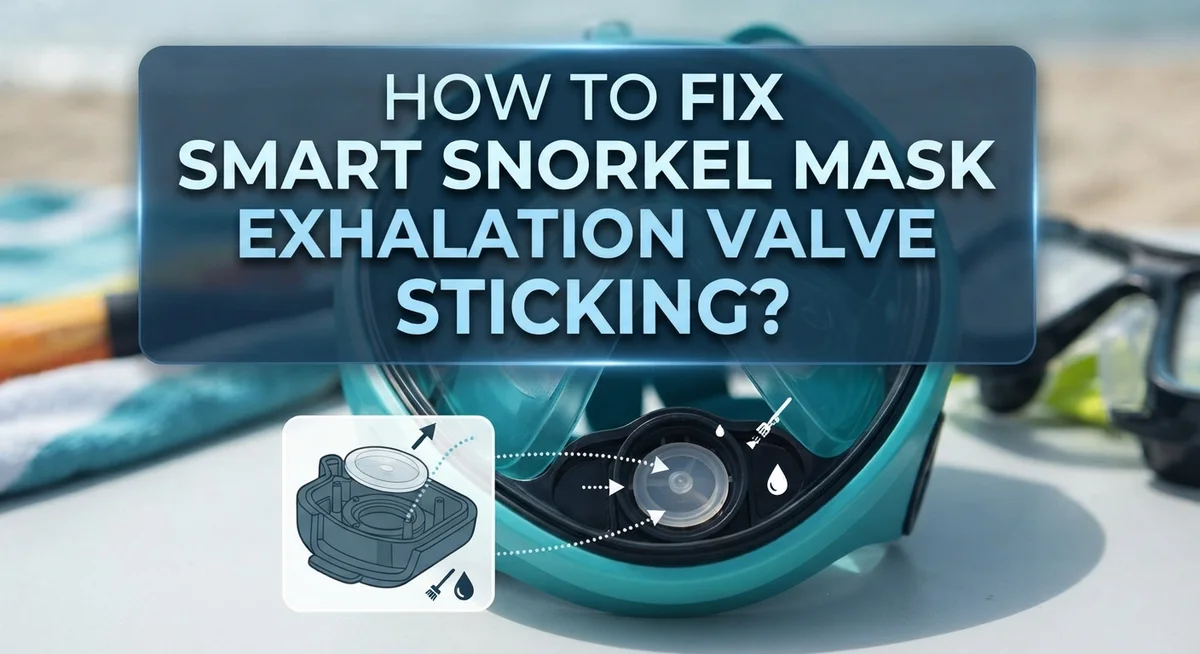
How To Fix Smart Snorkel Mask Exhalation Valve Sticking?
Do you feel water leaking near your nose while snorkeling? A sticky exhalation valve is often the reason.
This small part controls how air and water move through your mask. When it sticks, breathing feels hard. Water can even seep in and ruin your swim.
Many snorkelers face this exact problem. The good news? You can fix it yourself in most cases.
This guide walks you through simple steps to spot valve trouble early. You will learn how to clean the valve, remove debris, and test it properly.
In a Nutshell
- Check the valve first. Most sticking happens when dirt or salt builds up inside the valve. A simple clean often solves the problem.
- Try the exhale trick. Close one side of the mask with your hand. Then exhale hard through your nose. This can pop a stuck valve back into place.
- Clean your lens the right way. Use toothpaste, not gel with a soft toothbrush. This keeps your lens clear and stops fogging.
- Fix your mask fit. A loose or tight strap can cause leaks. Loosen the strap fully, position the mask, then secure it evenly.
- Replace the valve if needed. Some valves wear out over time. You can detach and swap them, or switch to a valve free snorkel style.
- Watch for CO2 buildup. This is common in full face masks. A properly sealed and working valve helps you breathe safely.
Understanding the Exhalation Valve and Why It Sticks
Your smart snorkel mask has a small but important part called the exhalation valve. This valve sits inside your mask and lets air out when you breathe. It also stops water from entering your mask during the dive.
The valve works like a one way door. When you exhale, it opens and lets carbon dioxide escape. When you inhale or water pushes against it, it closes tight. This simple design keeps your breathing smooth and your mask dry.
A sticky valve happens for several reasons. Salt crystals from ocean water build up inside the valve over time. Sand or debris can also get trapped in the mechanism. Sometimes the valve material itself gets stiff from sun exposure or age. When this happens, the valve won’t open and close smoothly anymore.
Water leaks near your nose are a clear sign of valve trouble. You might also feel resistance when you try to exhale. Some snorkelers notice their mask fills with water slowly during a dive. These are all signals that your exhalation valve needs attention.
The valve sticks because it’s a moving part in a wet environment. Salt water, sand, and sun damage all wear it down. Poor mask fit can also put extra pressure on the valve, making it stick faster. Cheap materials used in low quality masks fail more quickly than better options.
Understanding how your valve works helps you spot problems early. When you know what to look for, you can fix sticking issues before they ruin your snorkeling trip. A properly functioning valve means comfortable breathing and a dry, clear mask underwater.
Signs Your Valve Is Malfunctioning
A sticky exhalation valve shows itself in several clear ways. Watch for water entering your mask near the nose area during a dive. This is the most obvious sign something is wrong with your valve.
You might notice resistance when you exhale. Instead of air flowing out smoothly, you feel pressure building up inside the mask. This happens because the valve flap is not opening and closing properly anymore.
Fogging inside your mask is another warning sign. When your exhaled breath cannot escape, moisture builds up on the lens. Your vision becomes cloudy within seconds of putting on the mask.
Some snorkelers report a stale or stuffy feeling while breathing. This occurs because old air stays trapped in the mask instead of leaving. The sensation feels uncomfortable and can make you anxious underwater.
Pay attention to unusual sounds or clicks coming from the valve area. A healthy valve moves quietly. Strange noises mean the internal flap or seal is damaged or stuck.
Check if the valve feels hard to move when you press it gently with your finger on land. A working valve should have slight give and move freely. Stiffness indicates salt deposits or debris inside.
You might also notice air bubbles escaping from the wrong place. Instead of coming from the valve opening, bubbles leak around the seal or nose area. This shows the valve is not sealing properly.
CO2 buildup is a serious sign in full face masks. You may feel lightheaded or notice your breathing becoming shallow. This happens when exhaled air cannot leave the mask completely.
Catching these signs early prevents more damage to your mask and keeps you safe underwater.
Step-By-Step: Clearing a Stuck Exhalation Valve Underwater
When you’re underwater and your exhalation valve sticks, you need a quick fix. The forced exhale method works best in this situation.
First, stay calm and signal to your dive buddy. Your safety matters more than rushing the fix. Take a slow breath through your snorkel to keep oxygen flowing.
Next, close one side of your mask with your hand. Press your palm firmly against the side where the valve sits. This creates pressure inside the mask.
Now exhale hard and fast through your nose. The sudden force pushes air against the stuck valve. This pressure often dislodges debris or salt crystals blocking the valve opening. You may feel or hear a small pop or click when it releases.
If the valve still feels stuck, repeat the process. Do this two or three times if needed. Pause between attempts to breathe normally and stay relaxed.
Important safety tip: Never hold your breath while doing this. Always maintain airflow through your snorkel. If you feel dizzy or uncomfortable, surface immediately and rest.
After the valve releases, exhale gently a few times. This clears any remaining particles from inside the valve. Test the valve by exhaling normally. You should feel smooth, easy air flow without resistance.
If the valve remains stuck after several attempts, surface safely. Do not force it repeatedly underwater. Forcing a stuck valve can damage the internal mechanism further.
Once on the surface, rinse the mask with fresh water. Soak the valve area for a few minutes. This helps dissolve salt deposits. Then try the forced exhale method again in shallow water before returning to deeper depths.
How To Detach, Inspect, and Replace a Faulty Valve
Detaching your exhalation valve is straightforward. First, rinse your mask with fresh water to remove salt and debris. Most valves unscrew by hand, so grip the valve firmly and turn it counterclockwise. If it feels tight, wrap a small cloth around it for better grip. Work slowly to avoid stripping the threads.
Once removed, inspect the valve carefully under good lighting. Look for cracks, discoloration, or mineral buildup on the rubber or silicone parts. Check if the internal spring moves freely. A stuck spring is often the culprit. You might also see white crusty deposits from salt or calcium, which block smooth movement.
Clean the valve thoroughly with fresh water and a soft brush. For stubborn deposits, soak it in equal parts white vinegar and water for 30 minutes. This dissolves mineral buildup without damaging the material. Gently brush away loosened debris. Rinse completely and let it air dry.
If cleaning doesn’t restore smooth movement, replacement is your best option. Faulty valves rarely return to full function. Before installing a new valve, check the connection point on your mask for damage or debris.
To install the replacement, align the valve threads carefully. Turn it clockwise by hand until snug. Don’t overtighten, as this can crack the valve or mask. Test it on land first by exhaling through your nose while holding the mask against your face. You should feel air exit smoothly without resistance.
After installation, rinse your entire mask with fresh water. This removes any debris from the replacement process and ensures a clean seal before your next use.
Proper Mask Fit and Strap Adjustment To Prevent Leaks
A proper mask fit is your first line of defense against leaks and valve problems. Start by loosening your straps completely before putting on the mask. Position the mask on your face without tightening anything yet. The mask should sit naturally against your skin without gaps around the edges.
Now gently tighten the straps over the top of your head. The goal is a snug fit, not a painful squeeze. Many snorkelers overtighten their straps, which actually causes more problems. Excessive tension pulls the mask unevenly and creates pressure points that damage seals.
Check the seal by placing your hand over the mask opening and inhaling gently. The mask should stick to your face without falling. If it drops, your straps need adjustment. Loosen them slightly and reposition the mask lower on your nose.
Your strap tension directly affects your exhalation valve performance. When straps are too tight, they distort the valve housing and prevent smooth operation. This makes your valve feel sticky even when it’s clean. Conversely, loose straps allow water to seep in around the edges, which then interferes with valve function.
Adjust your straps while wearing the mask in the water before diving deeper. This lets you feel how the fit changes when your face is wet. Make small changes and test the seal each time.
Remember that different face shapes require different strap positions. Some people need straps positioned higher on their head. Others prefer them lower. Your comfort matters because an uncomfortable mask gets removed frequently, which disrupts your dive and increases your risk of water entering through a poorly sealed valve.
Cleaning and Anti-Fog Maintenance for a Reliable Seal
Your smart snorkel mask stays clear and functions properly when you maintain both the lens and the exhalation valve. Fogging happens when warm air meets a cold lens, and this moisture can also affect your valve’s movement.
Start with your lens. Use regular toothpaste (not gel) and a soft toothbrush to gently clean the inside surface. The paste removes oils and residue that trap moisture. Rinse thoroughly with fresh water. Never use your fingers to wipe the lens, as skin oils create a film that promotes fogging. Do this cleaning after every few uses to keep your vision clear.
For your exhalation valve, regular rinsing prevents salt and debris buildup. After each snorkeling session, hold the mask under fresh running water. Gently press the valve area to allow water to flow through it. This simple step stops minerals from crystallizing inside the valve mechanism.
Once weekly, soak your entire mask in fresh water for 15 minutes. This loosens stubborn salt deposits around the valve edges. Use a soft brush to gently clean around the valve opening. Pat everything dry with a soft cloth before storage.
Store your mask in a cool, dry place away from direct sunlight. Heat and UV rays degrade the silicone seal over time, which leads to water leaks and valve stress.
Proper maintenance prevents 80 percent of valve problems before they start. When you keep your lens clean and your valve free from deposits, both components work together smoothly. Your mask will maintain a reliable seal, exhale properly, and stay fog-free throughout your snorkeling adventures.
Common Mistakes That Cause Valve and Seal Failures
Many snorkelers damage their exhalation valves without realizing it. The most common mistake is using the wrong cleaning method on your lens. Gel toothpaste and fingers leave oils behind that interfere with your mask seal and valve function.
Poor mask fit causes more problems than most people expect. When your straps are too loose, water seeps in and reaches your exhalation valve. When straps are too tight, they distort the valve housing and prevent proper sealing. Your valve cannot work correctly if the mask itself does not sit properly on your face.
Cheap materials in budget masks fail faster than quality options. Lower grade silicone cracks more easily. Plastic valves become brittle and stick after minimal use. Investing in a better mask reduces your valve problems significantly.
Ignoring CO2 buildup is dangerous in full face snorkel masks. Your exhalation valve must work perfectly to release carbon dioxide. A sticky valve traps CO2 inside your mask, which causes dizziness and confusion underwater.
Salt and debris accumulation destroys valve function over time. Skipping regular rinses with fresh water allows minerals to build up inside your valve. This buildup makes your valve stick and prevents smooth opening and closing.
Many people overtighten their mask straps thinking this creates a better seal. This actually causes the opposite effect. Straps should be snug but not painful. Your face shape determines the correct strap position and tension.
Storing your mask in direct sunlight or hot environments damages the silicone and valve materials. Heat causes materials to warp and crack. A cool, dry storage location protects your mask investment and keeps your valve functioning properly for years.
Troubleshooting Persistent Leaks and CO2 Buildup
When your exhalation valve sticks, water leaks into your mask and CO2 builds up inside. This creates an unsafe diving situation. You need to act quickly to fix the problem.
The first step is to hold one side of your mask closed against your face. Then exhale forcefully through your nose. This sudden pressure often dislodges debris or salt crystals stuck in the valve mechanism. Repeat this action several times if needed.
If forceful exhalation doesn’t work, you have a deeper blockage. Remove your mask from your face and examine the valve opening. Look for visible salt deposits, sand, or algae buildup. These materials prevent the valve flapper from moving freely.
Rinse the valve area with fresh water immediately. Use your fingers to gently work the valve flapper back and forth. Do not force it or use sharp objects. Gentle movement helps restore normal function without causing damage.
Pay attention to CO2 accumulation symptoms. You might feel dizzy, experience headaches, or notice your breathing feels labored. These signs mean the valve isn’t releasing exhaled air properly. Stop diving and surface right away if this happens.
After fixing the immediate problem, soak your entire mask in fresh water for 15 minutes. This removes salt and mineral deposits from internal valve parts. Some sticky valves respond well to this simple cleaning method alone.
If the valve continues sticking after cleaning, replacement becomes necessary. A faulty valve won’t improve with repeated fixes. Order a replacement valve designed for your specific mask model. Installation takes just a few minutes with basic tools.
Final Thoughts
A sticky exhalation valve does not mean your snorkeling days are over. Most problems come from simple causes like salt buildup or a poor mask fit.
Regular cleaning solves the majority of valve issues. A quick rinse after every use keeps salt crystals from forming on the valve edges.
Proper mask fit matters just as much as cleaning. A mask that sits correctly on your face creates a better seal and puts less strain on the valve.
When problems do happen, stay calm. Hold your mask against your face and exhale with force. This simple trick clears most temporary blockages.
If that does not work, check the valve closely for damage or debris. Sometimes a small piece of hair or sand is the real culprit.
Replacement valves are widely available for most smart snorkel masks. Swapping a damaged valve takes only a few minutes once you know how.
Prevention beats repair every time. Clean your mask after each swim, store it properly, and check the valve before you head into the water again.
Remember that CO2 buildup is a real safety concern. Never ignore symptoms like dizziness or shortness of breath while snorkeling.
Your mask is a tool built to keep you safe and comfortable underwater. Treating it well means it will treat you well in return.
With regular care, correct fit, and quick action when problems arise, you can enjoy smooth breathing on every dive. A sticking valve is usually a minor issue with an easy fix.
Take these steps seriously, and your snorkeling experience will stay enjoyable, safe, and hassle free for many trips to come.
Frequently Asked Questions
Why does my exhalation valve stick during a dive?
Your exhalation valve sticks when debris, salt buildup, or silicone material gets trapped inside. Water pressure and repeated use can compress the valve components. A stuck valve prevents CO2 from escaping, which creates a dangerous situation underwater.
Poor mask fit makes this worse. When your mask doesn’t seal properly, water seeps into the valve chamber and causes sticking. Cheap materials also fail faster than quality options.
Can I fix a stuck valve without replacing it?
Yes, many stuck valves respond to simple cleaning. Soak your entire mask in fresh water for 15 minutes to loosen salt and debris. Use a soft toothbrush to gently clean around the valve opening.
For stubborn sticking, hold one side of your mask closed and exhale forcefully. This pressure can dislodge stuck valve flaps. If that doesn’t work, the valve likely needs replacement.
How do I prevent my exhalation valve from sticking?
Rinse your mask with fresh water after every use. Salt water is the main culprit behind valve problems. Store your mask in a cool, dry place away from direct sunlight.
Check your mask fit regularly. Loosen your straps fully, position the mask on your face, then secure the strap over your head. A proper fit stops water from entering the valve chamber in the first place.
What if cleaning doesn’t solve the sticking problem?
Replacement valves are widely available for most smart snorkel masks. The process is simple for most models. Contact the manufacturer for the correct replacement part.
Some snorkelers prefer valve-free snorkel designs to avoid these issues entirely.
Hi, I’m Minnie Cole, the creator of The Output Lab — a space where I share my passion for all things tech. I spend my days exploring the latest gadgets, devices, and electronics on Amazon, putting them through real-world testing so you don’t have to.