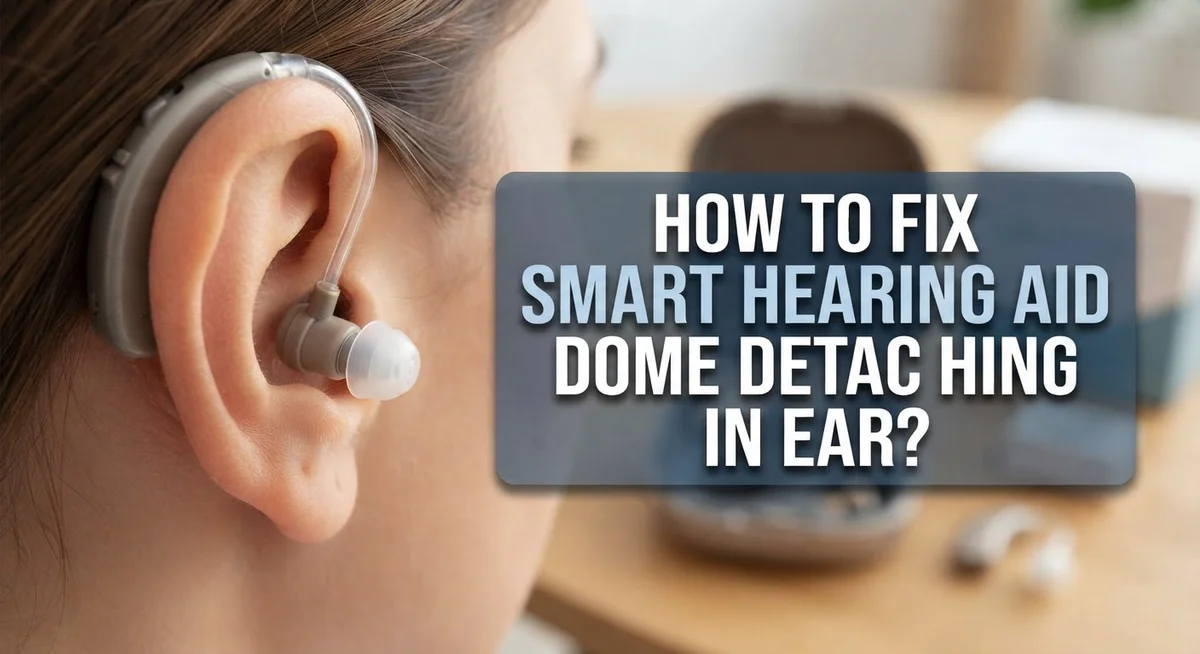
How To Fix Smart Hearing Aid Dome Detaching In Ear?
Have you ever reached up to adjust your hearing aid, only to find the dome missing? This tiny piece plays a big role in your hearing experience.
A detached dome can feel frustrating. It can also make you worry about your device or your ear.
The good news is that this problem is common and fixable. Most people face dome detachment at some point.
Understanding why domes come loose helps you stop the cycle. Small fixes often make a huge difference.
This guide walks you through simple steps to keep your dome secure. You will learn the right way to insert and remove your dome without force or twisting.
We will also cover common mistakes that cause domes to slip out. You will discover how to pick the correct dome size for your ear.
Plus, we share tips on retention tools that add extra grip. By the end, you will feel confident handling your hearing aid dome.
No more unexpected surprises. Just clear steps to help your device stay put and your hearing stay sharp.
In a Nutshell
Here’s a quick recap to keep your dome secure and your hearing aid working smoothly.
-
Grip the base, not the tube. Always hold the dome itself when removing it. Pulling the tubing can cause damage or make the dome slip off unexpectedly.
-
Push until it clicks. Make sure the dome fits fully onto the speaker. A soft tug afterward confirms it’s seated properly and ready for use.
-
Size matters a lot. If your dome keeps falling out, try a different size. Your ear canal shape often needs a specific fit to stay snug.
-
Stay calm if it gets stuck. A stuck dome rarely causes ear damage. Gentle removal usually works, but see an audiologist if it happens often.
-
Clean it after every use. Wipe the dome with a soft cloth or brush. Washing it with soap and water helps it last longer and fit better.
-
Add extra support if needed. Retention wires or ear locks give your dome more grip. Ask your audiologist about these simple add-on options.
These small habits make a big difference in keeping your hearing aid secure all day long.
Why Hearing Aid Domes Detach: Understanding the Causes
Hearing aid domes detach for several straightforward reasons. The most common cause is incorrect insertion technique. When you push the dome onto the speaker at the wrong angle or don’t insert it deep enough, it sits loosely and falls out easily.
Dome size mismatches create another major problem. Your ear canal changes slightly throughout the day due to movement and swelling. If your dome is too large, it won’t grip your ear properly. If it’s too small, it may not seal correctly and slips out during normal activities like chewing or talking.
Earwax and moisture buildup reduces grip significantly. When the dome surface becomes slippery from natural ear oils or sweat, it loses its hold. This is especially true during physical activity or warm weather.
Tubing stiffness also plays a role. Over time, the tubing hardens and pulls the dome outward. This constant tension gradually works the dome loose until it finally detaches.
Gripping the tubing instead of the dome base during removal causes damage. This weakens the connection point and makes future detachment more likely.
Sleeping on your side puts pressure on the hearing aid. Your ear position changes dramatically, and the dome may not stay seated properly throughout the night.
Finally, normal wear and tear affects dome fit. As the silicone material ages, it becomes less flexible and doesn’t grip as firmly as it once did.
Understanding these causes helps you address the real problem. Some issues need simple fixes like size adjustments. Others require retention devices or professional help from your audiologist. Knowing what’s causing your specific problem lets you take the right action.
Correct Dome Insertion Technique Step-by-Step
Proper dome insertion makes all the difference in keeping your hearing aid secure. This technique takes just a few minutes to master, and it prevents most detachment problems.
Start by choosing the right dome size for your ear. Your audiologist can help you find the best fit. A dome that’s too small won’t grip your ear canal. A dome that’s too large will feel loose and slip out easily.
Hold the dome base, never the tubing. Grip the soft rubber part directly. The tubing is delicate and twisting it causes damage to both the dome and the speaker connection.
Position the dome at the correct angle into your ear canal. Insert it straight, not at a sideways angle. Push gently but firmly until the dome seats completely onto the speaker.
You’ll know it’s secure when you feel slight resistance. The dome should fit snugly without pain. A soft tug on the dome tip confirms proper seating. If it moves easily, push it further until it stays put.
Clean your dome after each use. Wipe it with a soft cloth or brush to remove earwax and moisture. This buildup reduces grip and causes slipping.
Practice the insertion motion several times. Your fingers will develop muscle memory, making it automatic. This consistency prevents accidental twisting or shallow insertion.
If the dome keeps slipping after correct insertion, try the next size up or down. Sometimes a slight size change solves the problem completely. Your audiologist can provide replacement domes in different sizes at your next visit.
Proper Removal Method to Avoid Detachment Issues
Removing your hearing aid dome correctly prevents damage and keeps it working well. Start by washing your hands thoroughly so you don’t introduce dirt or bacteria into your ear canal.
Locate the dome base, which is the soft rubber part that sits inside your ear. This is your grip point. Never grab the thin tubing attached to the dome, as this causes stretching and permanent damage. The tubing is delicate and tears easily under pressure.
Gently pull the dome straight out of your ear using a steady motion. Pull directly away from your ear canal, not at angles or sideways. Twisting motions during removal can damage both the dome and the tubing connection. A straight pull takes just a few seconds and reduces strain on all components.
If the dome feels stuck, stay calm. Stuck domes rarely cause ear damage. Take a breath and try again with gentle, consistent pressure. Don’t yank or force it. If it remains stuck after a few attempts, contact your audiologist for help.
After removal, inspect the dome for visible damage or debris. Check the speaker end where the dome connects. Look for earwax buildup, moisture, or cracks that might affect fit.
Clean the dome immediately after removal using a soft cloth or soft brush. Wipe away earwax and moisture gently. For deeper cleaning, wash it with mild soap and lukewarm water, then air dry for about 30 minutes before reinserting.
This removal routine takes less than two minutes but protects your investment significantly. Consistent, gentle handling prevents most detachment problems from developing in the first place.
Choosing the Right Dome Size and Fit
Finding the right dome size is the first step to solving detachment problems. Your ear canal has a specific shape and width. A dome that’s too small won’t seal properly. A dome that’s too large creates uncomfortable pressure and slips out easily.
Your audiologist can measure your ear canal during a fitting appointment. They use tools to determine which size works best for you. Most hearing aids come with multiple dome options, typically ranging from extra small to large. You might need to try several sizes before finding your perfect fit.
Pay attention to how the dome feels when inserted. A proper fit should feel snug but never painful. You shouldn’t experience discomfort or a sensation of the device pushing too hard against your ear canal. If you feel pain, the dome is likely too large.
Test the fit by gently tugging on the dome tip after insertion. It should stay firmly in place without moving. If it shifts or comes out easily, try the next size up or down. Sometimes moving just one size makes a significant difference.
Different dome styles also affect how well they stay in place. Open domes have a larger opening and work better for people with mild hearing loss. Closed domes seal more completely but require precise sizing. Tulip shaped domes offer a middle ground for many users.
Keep track of which size works best for you. Write it down or ask your audiologist to document it in your records. This information helps you order replacements quickly. If your ears change shape over time due to aging or other factors, you might need to revisit sizing. Don’t hesitate to contact your audiologist if fit problems continue despite trying different sizes.
Using Retention Locks and Accessories for a Secure Fit
Retention locks and accessories offer practical solutions when your hearing aid dome keeps slipping out. These devices work by adding extra grip and support to keep everything secure throughout your day.
Sport retention locks are one of the most effective options. These small clips attach to your hearing aid and wrap around the back of your ear. They provide additional anchoring that prevents the dome from shifting during movement or physical activity. Your audiologist can fit these locks to match your specific hearing aid model.
Ear locks function similarly but use a different attachment method. They secure the hearing aid by wrapping around the upper part of your ear. This design works well if you have an active lifestyle or experience frequent dome detachment issues. The locks stay comfortable even during extended wear.
Retention wires offer another approach. Your audiologist can add a thin wire to your hearing aid that loops over your ear. This wire doesn’t add much weight but significantly improves stability. Many people find this option less noticeable than other accessories.
When choosing retention accessories, consider your daily activities. If you exercise frequently or work in active environments, sport locks provide excellent support. For everyday use, ear locks offer a balanced solution between security and comfort.
Your audiologist can recommend which accessory works best for your situation. They’ll ensure proper installation and show you how to use it correctly. Most retention devices require minimal adjustment once fitted properly.
These accessories work alongside proper insertion technique. Using both methods together gives you the best chance of keeping your dome secure. Regular maintenance of the locks and your hearing aid ensures everything functions smoothly for months to come.
Common Mistakes That Cause Domes to Fall Off
Many people accidentally cause their hearing aid domes to fall off by making simple insertion and removal mistakes. Understanding these errors helps you keep your dome secure and functioning properly.
Gripping the tubing instead of the dome base is one of the most common mistakes. The tubing is fragile and flexible. When you pull on it, the dome can slip off or the tubing itself may stretch and damage. Always grip the soft rubber dome base directly when removing your hearing aid.
Twisting the dome during removal creates unnecessary stress on the connection. Your dome should come straight out of your ear with a gentle, steady pull. Twisting motions can weaken the dome’s hold on the speaker and cause it to detach prematurely.
Inserting at the wrong angle causes poor seating and instability. Push your dome straight into your ear canal, not at a sideways angle. A dome inserted at an angle won’t sit flush against the speaker, making detachment more likely.
Using the incorrect dome size is another frequent problem. A dome that’s too small won’t create a secure seal. A dome that’s too large will feel loose and uncomfortable. Your audiologist can help you find the right size during your fitting.
Failing to push the dome completely onto the speaker leaves it partially attached. The dome must seat fully until you feel resistance. A soft tug on the dome tip should show it’s secure.
Neglecting regular cleaning allows earwax and moisture to build up. This debris reduces grip between the dome and speaker. Clean your dome daily with a soft cloth to maintain a strong connection and prevent unexpected detachment.
What To Do If a Dome Gets Stuck in Your Ear
If your hearing aid dome gets stuck in your ear, stay calm. This situation is uncomfortable but rarely causes damage to your ear canal.
First, stop moving your head suddenly. Sudden movements can push the dome deeper. Sit down in a comfortable position and take a few slow breaths.
Try gentle removal yourself. Tilt your head to the side where the stuck dome is located. Use your finger to gently feel around your ear canal opening. You may be able to reach the dome tip with your fingernail or a clean finger.
Apply light pressure only. Never force the dome out or dig aggressively into your ear. Forceful removal causes pain and potential injury to your ear canal.
If you cannot reach the dome, try tilting your head the opposite direction. Sometimes gravity helps dislodge it naturally. Wait a few minutes and try again.
Warm water can help. Lie on your side with the affected ear facing down. Have someone pour lukewarm water gently into your ear canal. The moisture may help the dome slip out more easily.
Contact your audiologist if the dome stays stuck. They have proper tools and training to remove it safely. Never insert objects like tweezers or cotton swabs into your ear canal yourself.
After successful removal, inspect your ear canal gently. Look for any redness or irritation. If you experience pain, hearing loss, or discharge after removal, see a healthcare provider immediately.
Prevention matters most. Ensure you insert the dome at the correct angle and depth. Push it completely onto the speaker until it feels secure. Use the right dome size for your ear canal. These simple steps prevent most stuck dome situations from happening again.
Cleaning and Maintenance Tips to Prevent Future Detachment
Your hearing aid dome needs regular care to stay secure and function properly. Clean your dome after each use with a soft cloth or soft brush. This removes earwax, moisture, and debris that weaken the connection.
Wash your dome weekly with mild soap and warm water. Gently scrub all surfaces, including the speaker attachment area. Rinse thoroughly under running water. Let it air dry completely for about 30 minutes before reinserting. Never rush this step.
Check your dome for signs of wear or damage. Look for cracks, hardening, or discoloration. A damaged dome loses its grip and falls out easily. Replace it if you notice these problems.
Keep your ear canal dry to maintain a secure fit. Moisture reduces friction and causes slipping. Dry your ears gently after showering or swimming. Use a soft towel or tissue. Pat, don’t rub.
Store your hearing aid and dome in a clean, dry place when not in use. Use a hearing aid case or container. Avoid leaving them in humid bathrooms or damp areas.
Inspect the speaker connection point regularly. Look for earwax buildup or corrosion on the dome base. Clean this area carefully with a dry cloth. Buildup prevents proper seating.
Check that your dome size still fits correctly. Your ear canal can change slightly over time due to age or wax accumulation. If your dome feels loose despite proper cleaning, contact your audiologist about trying a different size.
These maintenance habits reduce detachment problems significantly. Consistency matters more than occasional deep cleaning. Small daily efforts prevent frustration and keep your hearing aid working reliably.
Final Thoughts
A detaching hearing aid dome feels frustrating. But most fixes are simple and quick. You don’t need special skills to solve this problem.
Proper technique matters most. Grip the dome base, not the tubing. Push it fully onto the speaker until it clicks into place.
A gentle tug confirms a secure fit. This small check saves you from repeated detachment throughout your day.
Size matters too. If your dome keeps slipping out, try a different size. Your audiologist can help you find the right fit for your ear canal.
Retention locks offer extra security for active users. These small additions keep your dome stable during movement or exercise.
Regular cleaning prevents many detachment issues. Wax buildup and moisture weaken the connection between dome and speaker over time.
Stay calm if a dome gets stuck. This situation rarely causes harm and usually resolves with patience.
Gentle removal techniques work in most cases. Never force anything or dig into your ear canal.
Your audiologist remains your best resource for persistent problems. They can adjust your fit, suggest retention wires, or recommend different dome styles.
Think of dome care as part of your daily hearing aid routine. Small habits create big improvements in stability.
Consistency is key here. Clean your dome regularly, check the fit often, and address issues early.
Most detachment problems come from simple, fixable causes. Once you identify your specific issue, the solution usually follows quickly.
Don’t let dome troubles discourage you from wearing your hearing aids consistently. Better hearing outweighs minor inconveniences you might face along the way.
With the right technique and proper maintenance, you can keep your dome secure. This helps you enjoy clear, uninterrupted sound every day.
Frequently Asked Questions
Why does my hearing aid dome keep falling out of my ear?
A loose dome usually happens for three reasons. First, you may be using the wrong size. Domes come in multiple sizes, and an incorrect fit causes constant slipping. Second, your insertion technique might need adjustment. Push the dome straight in at the correct angle and depth. Third, earwax or moisture in your ear canal reduces grip. Keep your ear canal clean and dry for a secure fit.
How do I know if my dome is inserted correctly?
A properly seated dome feels snug and stays in place during normal head movement. Give the dome tip a gentle tug. If it doesn’t budge, it’s secure. You should hear sound clearly without feedback or whistling. The dome should sit deep enough in your ear canal but not cause discomfort. If you feel pain, remove it immediately and try again with a smaller size.
What should I do if my dome feels loose during the day?
First, wash your hands thoroughly. Remove the dome by gripping its base, not the tubing. Pull straight out without twisting. Clean both the dome and the speaker connection with a soft cloth. Check for earwax buildup inside your ear canal and gently clean it. Reinsert the dome firmly until you feel it click into place. If looseness continues, try the next size up or down.
Can I use anything to keep my dome more secure?
Yes. Sport retention locks or ear locks provide extra security for active users. These small devices attach to your hearing aid and help keep the dome seated. Your audiologist can show you how to install them. You can also ask about retention wires designed specifically for your hearing aid model. These options work well for people who exercise or move frequently throughout the day.
Hi, I’m Minnie Cole, the creator of The Output Lab — a space where I share my passion for all things tech. I spend my days exploring the latest gadgets, devices, and electronics on Amazon, putting them through real-world testing so you don’t have to.